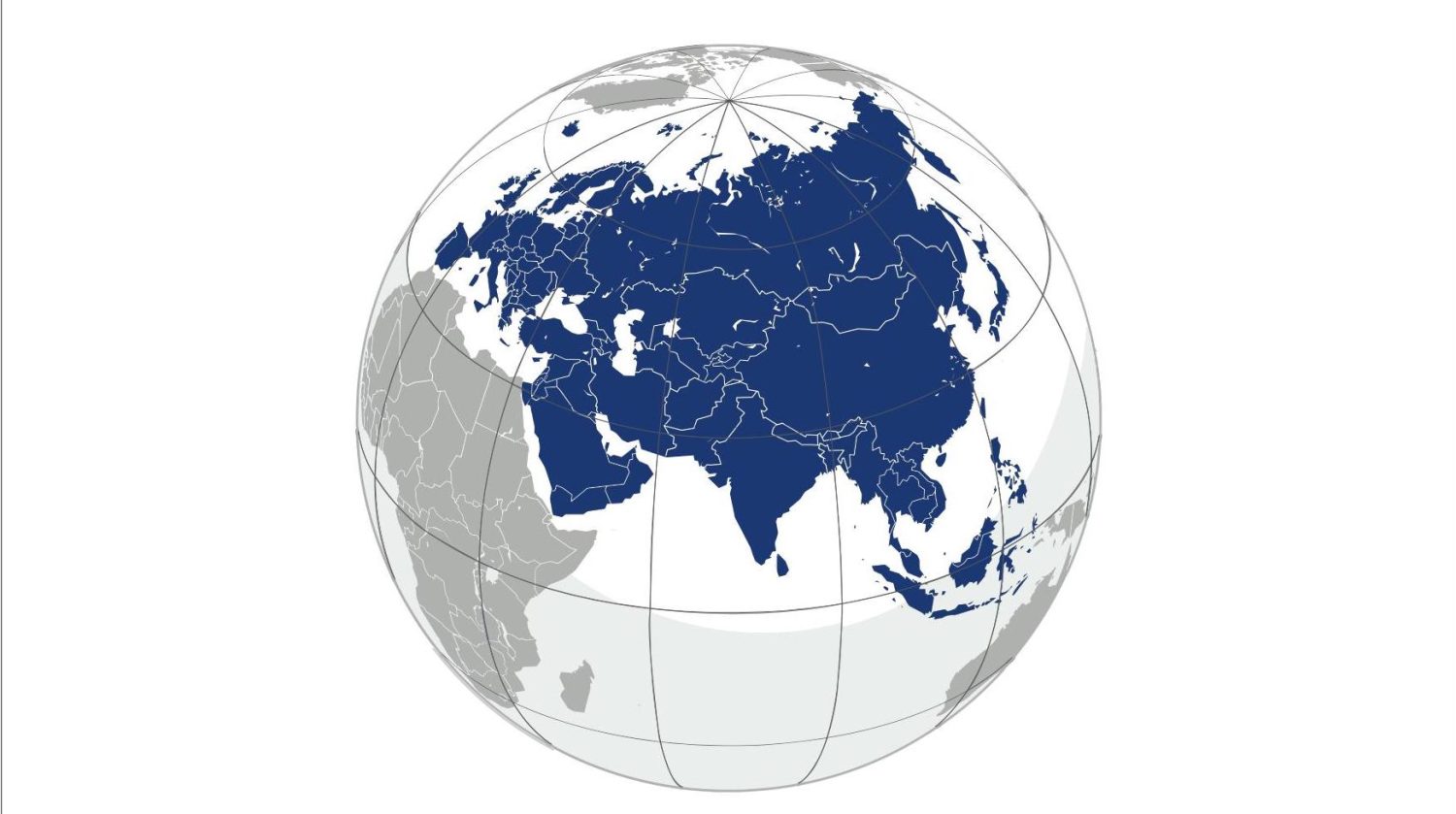
Rebuilding Eurasian Interconnectivity: China-Central Asia-West Asia Economic Corridor

Mher D. Sahakyan
https://orcid.org/0000-0002-3347-1779
This is an Accepted Manuscript of a book chapter published by Routledge/CRC Press in [Routledge Handbook of China’s Belt and Road Initiative in Eurasia] on [15.09.2025], available online at: https://www.routledge.com/Routledge-Handbook-of-Chinas-Belt-and-Road-Initiative-in-Eurasia/Sahakyan-Lo/p/book/9781032840956 [Book ISBN 9781032840956, Chapter is available online at: https://www.taylorfrancis.com/chapters/edit/10.4324/9781003513872-4/rebuilding-eurasian-interconnectivity-mher-sahakyan?context=ubx&refId=a5bb797a-d8cb-4972-8920-8edd14acfb01].
Abstract
This chapter explains developments in the China-Central Asia-West Asia Economic Corridor. The first section introduces the direction of the China-Central Asia-Iran-Arabian Peninsula (or Turkey), which utilises the transportation infrastructure of the Chinese, Central Asian, Iranian, and Arabic states. The first subsection examines the potential of the main transportation routes and infrastructure between China and Central Asia. The second subsection focuses on Iranian, and the third on the Arabic state’s infrastructure. These sections arise and answer the following question: Why China, Iran, Central Asian, and Arabic states are interested in developing the China-Central Asia-West Asia Economic Corridor? This research argues that China maintains and securitises its connections with the participating states through this corridor. Central Asia stands as a crucial crossroad for rebuilding Eurasian interconnectivity, and China plays the core role in these processes. Central Asian states get access to maritime routes and the Chinese and West Asian markets. In turn, Iran and Arabic states bolster their economic and security connection with China. Nevertheless, tensions between Iran and the West can bring challenges, making this route problematic. The second section introduces the China-Central Asia-South Caucasus-Turkey-Europe direction, focusing primarily on the Turkish, Azerbaijani, and Georgian roles in the China-Central Asia-West Asia Economic Corridor. It argues that this direction can stand crucial for Eurasian interconnectivity as interests of great, middle, and small Eurasian powers coincide. Moreover, peace between Armenia and Azerbaijan and the opening of borders between Armenia and Turkey, Armenia and Azerbaijan can create additional direction towards Europe within the China-Central Asia-West Asia Economic Corridor.
The main argument of this chapter is that the China-Central Asia-West Asia Economic Corridor can stand as the key mainland link between China and Europe if China and regional states modernise and reconnect transportation infrastructure and solve regional security issues. It can also stand as an energy supply conduit for China to import its energy sources from West Asia if there are any conflicts with the West in the South China Sea, which can interrupt supply chains through 21 Century Maritime Silk Road.
Leave a Reply