Dr. Mher Sahakyan Delivers Welcome Address and Presents Research on Multipolar World Order in India

Dr. Mher D. Sahakyan, Founder and Director of the China–Eurasia Council for Political and Strategic Research in Armenia, participated in the international seminar titled“India in Evolving Global Order”, held on May 17, 2026. The event was organized by the Society for Social Empowerment (New Delhi) in collaboration with Pandit Deendayal Upadhyay Shekhawati University, Rajasthan.
The seminar brought together leading scholars, policymakers, and researchers to discuss transformations in global politics, shifting power dynamics, and India’s role in a multipolar international system. The discussions focused on key themes such as foreign policy, geopolitical competition, economic diplomacy, and emerging security challenges in the 21st century.
During the inaugural session, Dr. Mher D. Sahakyan delivered a Welcome Address, highlighting the importance of international academic collaboration and dialogue in understanding evolving global trends.
As part of the seminar’s academic program, Dr. Mher D. Sahakyan presented a research paper titled“Multipolar World Order 2.0: High-Technology, Financial, and Arms Production Spheres.” The paper examined how multipolarity is increasingly visible across key sectors such as advanced technology, global finance, and military production.
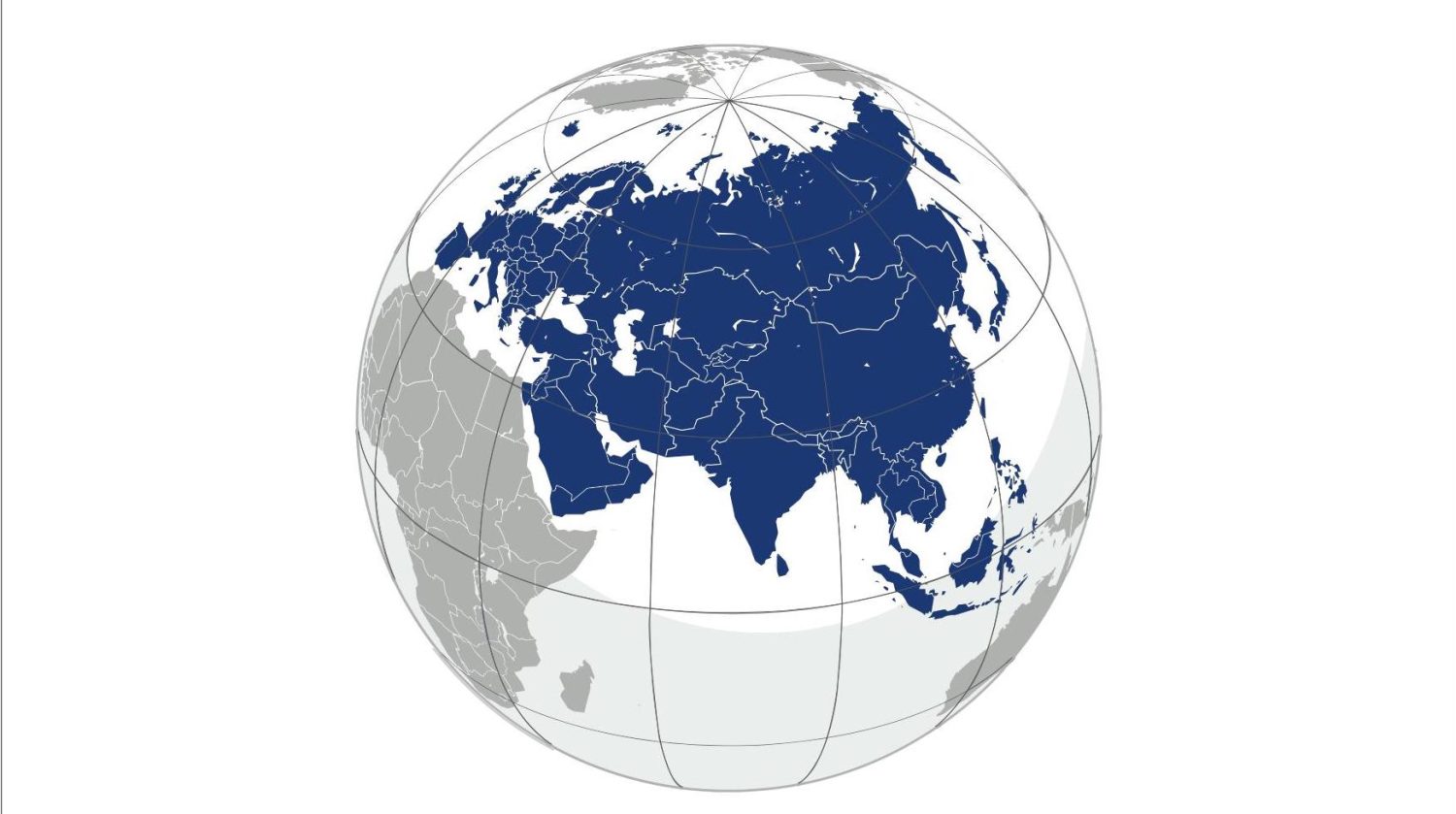
In his analysis, Dr. Mher D. Sahakyan emphasized the intensifying competition between major powers, particularly in high-tech industries and financial systems, while highlighting the emergence of new actors in global arms production. He also addressed the evolving balance of power in Eurasia and underscored the growing role of countries such as India in shaping the future global order.
The seminar featured multiple technical sessions covering a wide range of topics, including India’s foreign policy, Indo-Pacific strategies, geopolitical rivalries, sustainability challenges, and digital transformation. Scholars from institutions across India and beyond contributed to in-depth discussions on contemporary international relations and global governance.
The event provided a multidisciplinary platform for exchanging ideas and fostering cooperation among academic and policy experts. By addressing pressing global issues—such as geopolitical competition, technological rivalry, and economic interdependence—the seminar contributed to a deeper understanding of the changing world order.
